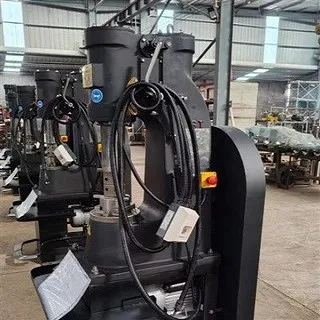
Anyang ST Forging Machinery focuses on self-contained power hammer and hydraulic press design and manufactures for the blacksmith shop. STH series power hammers include 15kg, 25kg, 40kg, 55kg, 75kg, and 80kg, STP series hydraulic press includes 30 tons 50tons, 100tons and 200 tons. All of our machinery got CE certification, our working team has over 20 years of experience in producing power hammers.Anyang ST have a whole production supply chain to make sure our power hammers have good quality and no stop improving, we have an engineering group to optimize design, good casting and forging supplier for machine parts material, we have our machining workshop include CNC lathers, CNC boring mill, grinding machine, drilling machine, 10 ton Crane, etc whole machine line for power hammer and hydraulic press production.
Why Choose Us
Our certifications
All of our machinery got CE certification, our working team has over 20 years of experience in producing power hammers.
Quality Control
Anyang ST have a whole production supply chain to make sure our power hammers have good quality and no stop improving.
Professional Team
We have an engineering group to optimize design, good casting and forging supplier for machine parts material, we have our machining workshop include CNC lathers.
Production Market
Forging machines exported to the USA, Canada, UK, France, Norway, Australia, Philippines, Argentina, etc over 40 countries till now.
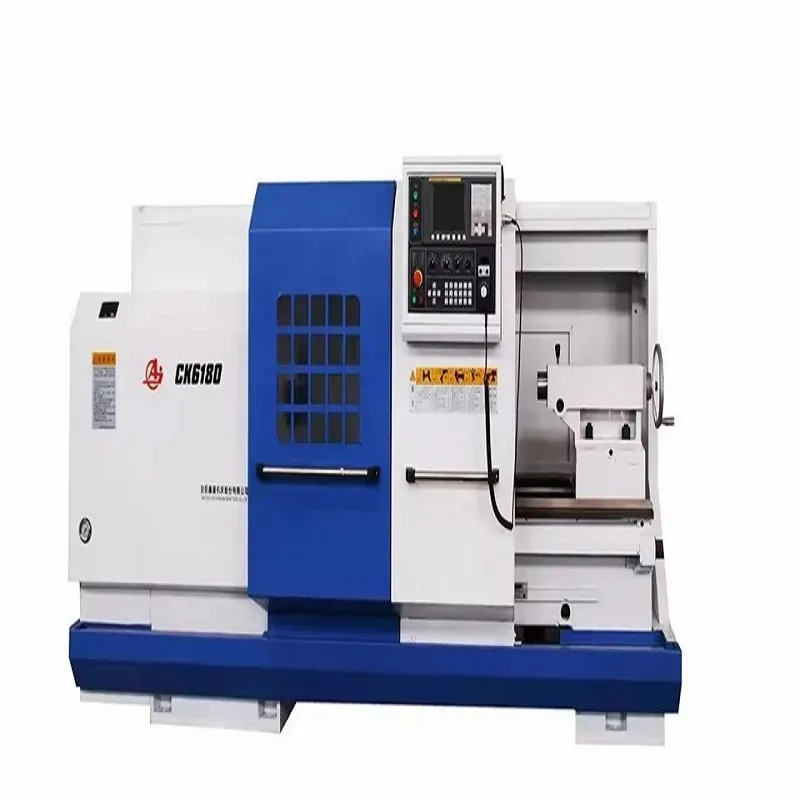
CK61 Series CNC Metal Digitally-Contr Lathe Machine Tool Equipment
CK61 series of lathe machine bed is the box-shaped structure, adopts high standard cast iron (HT300) one molding casting, after the second aging treatment, it has stable performance; guide-way width (550mm), good rigidity, anti-vibration ability; Processed by medium-frequency hardening and machined by the imported rail grinding machine , to ensure a long life, high precision and good maintainability.
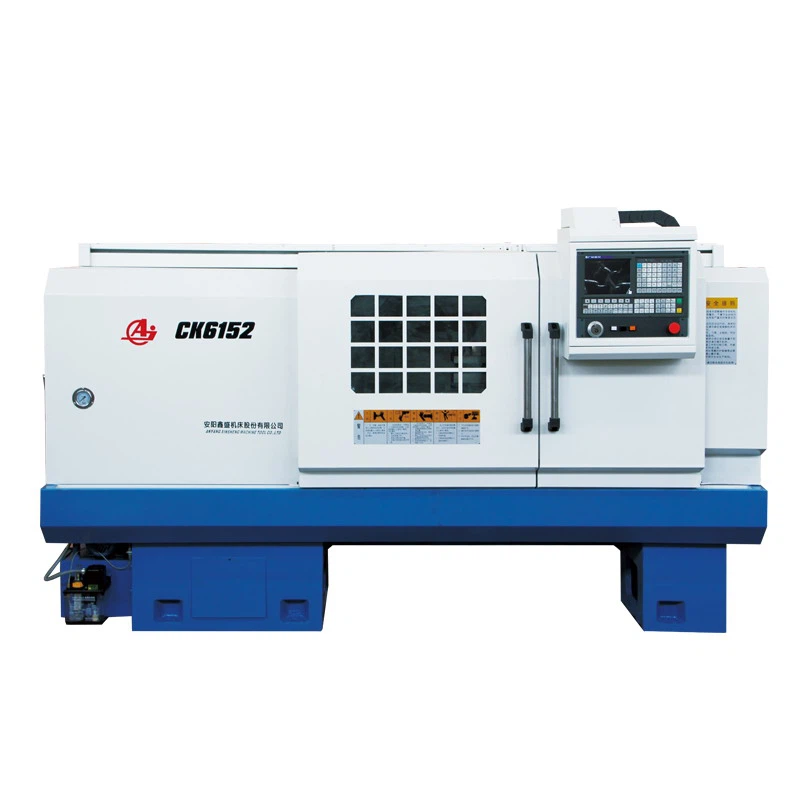
They are of high versatility, high efficiency, low inferiority and good conformability. So to be widely used in various trades, such as automobile industry, petroleum industry, military industry, and so on.

They are of high versatility, high efficiency, low inferiority and good conformability. So to be widely used in various trades, such as automobile industry, petroleum industry, military industry, and so on.
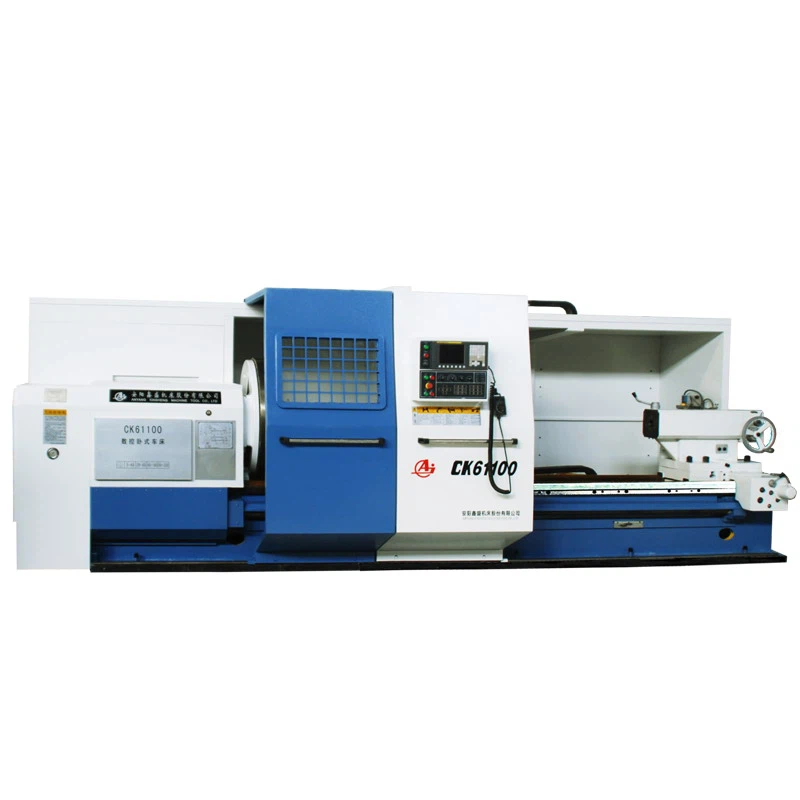
AC servo motor is adopted in feeding system, and the tailstock is moved electrically. So these machines are ideal equipment for large and middle sized complicated workpieces precision machining in baches.

Multifunctional CNC Lathe Machine
They are of high versatility, high efficiency, low inferiority and good conformability. So to be widely used in various trades, such as automobile industry, petroleum industry, military industry, and so on.
A Multifunctional CNC Lathe Machine, short for Computer Numerical Control lathe, represents a technological leap from traditional, manually operated lathes. It features a computerized control system that dictates the movement of the machine's components, including the spindle, cutting tools, and other axes. This control extends to various parameters such as cutting speed, depth of cut, and tool positioning. The result is an automated machining process that can craft intricate geometries and achieve incredibly tight tolerances.
Benefits of Multifunctional CNC Lathe Machine
Higher Precision and Accuracy
Multifunctional CNC Lathe Machine operate with greater precision to deliver accurately machined and smoother parts that would be difficult or even impossible to achieve with a 3-axis machine. With a traditional 3-axis cnc machine, the tooling can only approach the workpiece at a few points, limiting the angles from which the stock can be cut away. Therefore, to create more complex parts with a 3-axis machine, the workpiece would have to be moved and repositioned for various cuts. Each time a workpiece is moved within the machining process, accuracy and precision are compromised. The multi-axis machines we have access to today can reach workpieces at various angles, and operate more closely to the workpiece, allowing for a complex array of geometries to be performed within a single setup, with no repositioning required.
Improved Production Speed (Lead Times)
The tangential arrangement of the cutting tools to the material with multi-axis machining allows for more material to be removed with each rotation, increasing the speed that single applications can be performed. When this is combined with expanded tooling capabilities and multi-axis simultaneous machining from a single setup, cycle times improve significantly. This can lead to drastically reduced lead times.
Fewer Setups
With Multifunctional CNC Lathe Machine, you can set up your workpieces at one time to handle all milling/turning operations needed to fabricate complex geometries. You'll produce parts faster, minimize operational costs, and reduce most errors prevalent in conventional 3-axis machines.
More Complex Part Geometries
The ability of multi-axis CNC machining to move workpieces over more dimensions without removing them gives it a significant advantage over conventional 3-axis machining. Cnc machines with 5 axes or more can get tools very close to the working material at various angles, creating the ability for deep cuts and complex shapes that were not achievable from only 3-axes machines. The greater the axes, the better the machine can handle complex designs with high precision.Any time a workpiece needs to be repositioned for a separate set of cutting operations, a degree of precision is lost. High level multi-axis cnc machines, like our 9-axis Miyano, deliver the most complex parts with extreme precision. These machines attack the most complicated angles to create complex geometries with premium finishes at tighter tolerances.
Better Surface Finishes
Multifunctional CNC Lathe Machine bring the cutting tools closer to the working material. Shorter cutting tools produce better surface finishes because the shortened length makes them less susceptible to machining vibration. This produces a cleaner product directly from the machining process and minimizes the need for additional touch ups.
Improved Drilling Capabilities
Multifunctional CNC Lathe Machine change the game for drilling applications. Each time a part is moved in a CNC operation, there's an opportunity for error or loss of precision. Since parts hold their position through various applications in multi-axis machining, precision is maintained even through separate drilling applications with different variants. The additional axes also allow the machine to reach tighter and more complex angles, completing more complex drilling applications with finer finishes.
Types of Multifunctional CNC Lathe Machine
2-Axis CNC Lathe
A 2-axis CNC lathe, also known as a 2-axis turning center, is a unique machine that can perform different turning and facing operations. This lathe machine usually includes two main axes of movement-the X-axis for longitudinal movement and the Z-axis for cross-slide movement. The features of the 2-axis are impressive. This tool can produce cylindrical components with simple geometries. Its turret can efficiently hold and alternate various cutting tools during operations. The applications of the 2-axis CNC lathe include machining shafts, bushings, flanges, and other uncomplicated cylindrical components.
Multi-Axis CNC Lathe
A 3-axis CNC lathe is also known as a multi-axis CNC lathe. It has several axis-turning centers tailored to carry out complex operations. These machines offer enhanced versatility and precision, allowing for the production of a complex part that is highly accurate.The main features of this lathe machine include its capability to use 3 or more moving axes in rotation, including X, Y, and Z. Also, it can work on multiple surfaces of the workpiece at the same time. This reduces the need for constant adjustments.These machines also have advanced tooling options and can be applied to complex contouring, profiling, and multi-surface machining. They are also commonly used for crafting parts for the aerospace industry, producing hydraulic fittings, and precise medical parts.
Swiss-Style CNC Lathe
Swiss-style CNC lathes have features to offer precise dimensions and handle small-size components. They are great for producing intricate parts with exceptional accuracy, like watch parts, electronic components, medical supplies, decorative pins, fasteners, and screws. Their key features enable them to work well with prolonged and thin workpieces. Swiss-style CNC lathes can also work simultaneously with different tools to produce complex parts quickly and efficiently. They perform optimally during high-volume production of small, precise parts.
Vertical CNC Lathe
In contrast to the Swiss-style lathes, vertical turning centers are machines created to handle hefty workpieces and perform various turning operations. The spindle orientation of these machines is positioned vertically. This setup allows for the production of tall and large parts.Due to its vertical orientation for the spindle and workpiece, the lathe is capable of avoiding the effects of gravitational forces during machining. These machines have automated tool changers that are known for improving efficiency during production.
Application of Multifunctional CNC Lathe Machine

Part Manufacturing
Carving and Decoration
Mold Manufacturing
Part Finishing
Automated Production Processes
Components of Multifunctional CNC Lathe Machine
Main body of machine tool
The main body of the machine tool is the mechanical component of the CNC lathe, which mainly includes the bed, base, columns, beams, slides, worktable, spindle box, feed mechanism, tool holder and automatic tool changer. It is a mechanical part that automatically completes various cutting processes on CNC machine tools.
Control part
The control part is the core of the CNC lathe. It generally includes a special computer, liquid crystal display, control panel and strong current control system (including machine tool printed circuit board circuit, screen display, keyboard, paper tape TAPE, magnetic tape, drive circuit, etc.) input to the control part The program instructions recorded on the information carrier are received by the program reading device, or directly manually input by the keyboard of the control part.
Driving device
At present, the commonly used drive devices for CNC machine tools are mainly divided into four types: servo motor drive device, stepper motor drive device, DC motor drive device, and AC servo motor drive device.
How to Choose Multifunctional CNC Lathe Machine
Determine the process requirements of typical parts and the batch of processed workpieces. The function of the proposed cnc lathe is to make preliminary preparations. The prerequisite for the reasonable selection of cnc lathe meets the process requirements of typical parts. The process requirements of typical parts are mainly the structural dimensions, machining range, and accuracy requirements of parts. The control precision of the cnc lathe is selected according to the precision requirements, that is, the dimensional accuracy, positioning accuracy, and surface roughness of the workpiece. Reliability is the guarantee to improve product quality and production efficiency.
The attached accessories, spare parts, and their supply capacity and cutting tools of the machine tool are very important for the cnc lathes and turning centers that have been put into production. When selecting a machine tool, it is necessary to carefully consider the compatibility of tools and accessories.
Pay attention to the identity of the control system. Manufacturers generally choose the products of the same manufacturer and at least choose the control system of the same manufacturer, which brings great convenience to the maintenance work. In teaching units, because students need to be knowledgeable, it is a wise choice to choose different systems and equip them with various simulation software.
Select according to the performance-price ratio, so that the function and precision are not idle and wasted, and do not select functions unrelated to your own needs.
Protection of cnc machine tools. When necessary, the machine tools can be equipped with fully enclosed or semi-enclosed protective devices and automatic chip removal devices. Machine tool accessories are indispensable machine tool protection products, which can make the service life of the machine tool longer, maintain a better use effect and reduce the failure rate.
What Is the Multifunctional CNC Lathe Machine Process
The Birth of Design
Every Multifunctional CNC Lathe Machine project commences with an idea, a vision of the final product. This conceptual stage is crucial as it sets the foundation for the subsequent steps. The idea, often visualized by engineers or product designers, is transformed into a detailed digital design using Computer-Aided Design (CAD) software. This design incorporates every minute detail, curve, depth, and dimension of the desired end product.
Translating Designs into Machine Language
The meticulously crafted design in the CAD software is then converted into a set of specific machine instructions. This process, known as Computer-Aided Manufacturing (CAM), produces a G-code, a specialized language that CNC machines understand. The G-code serves as a roadmap, guiding the Multifunctional CNC Lathe Machine machine on how to maneuver, where to cut, and how deep to penetrate, ensuring the design is realized with utmost accuracy.
Testing and Verification
Before launching the full-scale machining process, it's common practice to run simulations. This step is essential to identify and rectify any potential errors or inefficiencies in the G-code. Simulations mimic the actual lathing process in a virtual environment, giving engineers a clear picture of how the machine will interpret the instructions.
Preparing the Machine
Post-verification, the physical setup begins. This includes choosing the right tools and ensuring they're sharp and in optimal condition, selecting the appropriate material, and mounting it securely onto the Multifunctional CNC Lathe Machine. These preparatory steps, though often overshadowed by the allure of automation, play a pivotal role in determining the success of the entire operation.
How to Maintain Multifunctional CNC Lathe Machine
Coolant System Revitalization
Undertake a thorough cleaning of the coolant tank, eliminating accumulated sludge, chips, and oil. This meticulous process safeguards against contamination optimizes the coolant, and contributes to efficient machining operations.
Chuck and Jaws Maintenance
Remove the chuck and jaws from the machine for a meticulous cleaning. This step helps prevent any buildup or residue that could compromise the gripping efficiency of the chuck. A clean chuck and jaws enhance precision and prevent potential slippage during machining processes.
Machine Leveling and Adjustment
Verify the leveling of the CNC lathe machine and make necessary adjustments. An accurately leveled machine is fundamental to achieving consistent and precise machining results. Any discrepancies in leveling can lead to misalignments and affect the overall quality of machined components.
Radiator Care
Thoroughly clean the radiator to ensure the radiator fins remain straight and undamaged. A well-maintained radiator facilitates efficient cooling, preventing overheating during prolonged machining operations. Straight fins promote optimal airflow, contributing to the effective dissipation of heat generated during machining.
All-Way Wiper Inspection
Carefully inspect all-way wipers for any signs of damage or wear. These wipers are crucial in safeguarding the machine's critical components from contaminants. Prompt replacement of damaged wipers is essential to maintain the integrity of the machine's moving parts.
Hydraulic System Maintenance
Execute a comprehensive maintenance routine for the hydraulic system, including draining the hydraulic tank and replacing the existing hydraulic oil with fresh, high-quality oil. This proactive measure ensures the hydraulic system operates at peak efficiency, minimizing the risk of leaks or malfunctions.
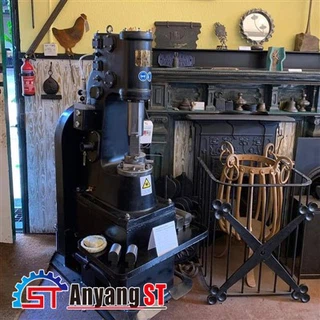
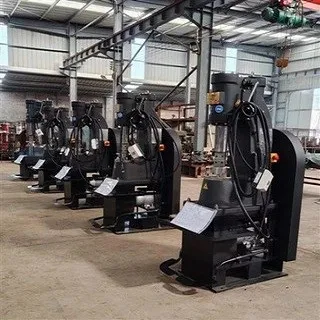
Factory pictures

certificate

FAQ
Q: What are the basics of CNC lathe machine?
Q: What are the risks of CNC lathes?
Q: What is the difference between CNC turning and CNC lathe?
Q: How many types of CNC lathe machines are there?
Q: What should I avoid using a lathe machine?
Q: What is the right hand rule for CNC lathe?
Q: How much power does a CNC lathe use?
Q: Why CNC is better than lathe?
Q: What is the common problem of CNC machine?
Q: How many operations does a CNC lathe machine have?
Q: Can a CNC mill replace a lathe?
Q: What is a CNC lathe sometimes called?
Q: What is the principle of CNC lathe?
Q: What is the lathe safety rule?
Q: Is there a future in CNC machining?
Q: What is the difference between CNC lathe and CNC turning machine?
Q: How long does a CNC lathe take?
Q: What is the main difference between CNC lathe and conventional lathe?
Q: What is the risk of CNC machines?
Q: What is the right hand rule for CNC lathe?
Hot Tags: multifunctional cnc lathe machine, China multifunctional cnc lathe machine manufacturers, suppliers, factory, new design 75kg power hammer, , cnc lathe machine, multifunctional cnc lathe machine, , cnc lathe turning machine